
Please see below article received from Brooks Macdonald yesterday afternoon, which provides a global market update following Boris Johnson’s resignation and further rises in energy costs.
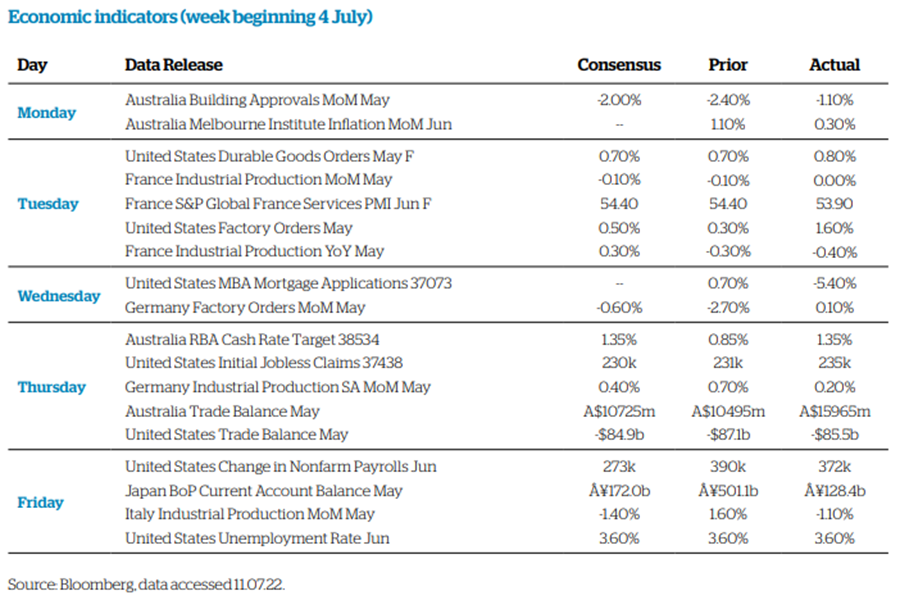
Economic data last week painted a better picture of near-term economic momentum
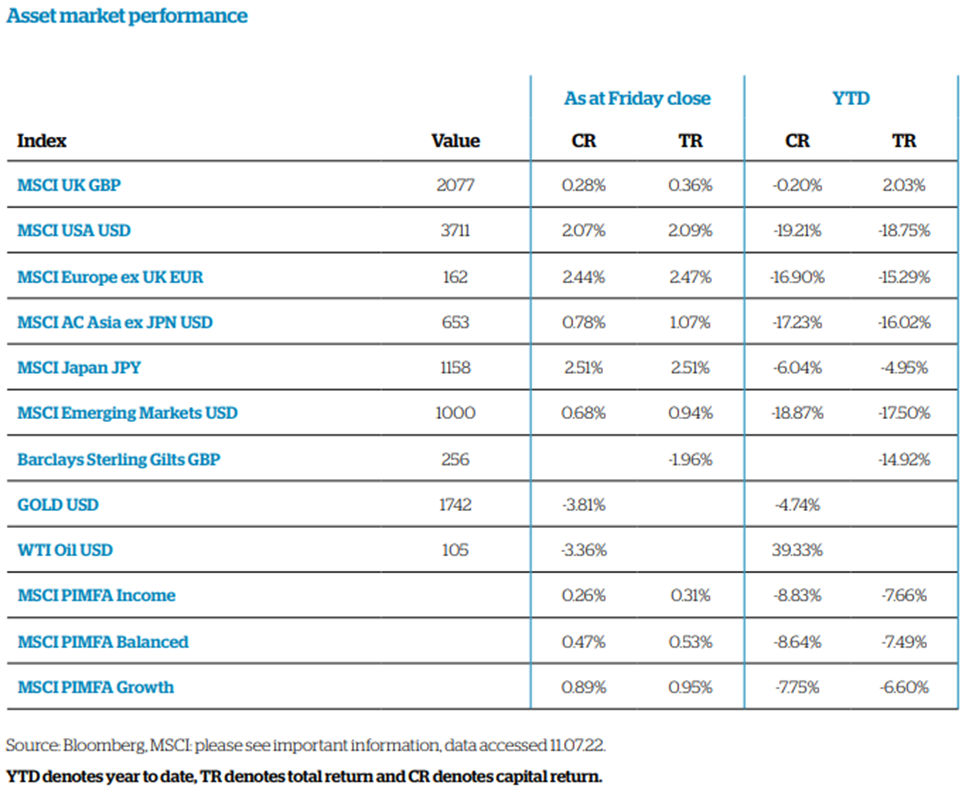
Last week saw a better run of economic data with bond yields and equities rising ahead of the key earnings season. After Boris Johnson’s resignation, a leadership race has begun within the UK’s Conservative party with the field expected to be whittled down this week.
Energy security concerns in Europe led to a surge in European energy costs
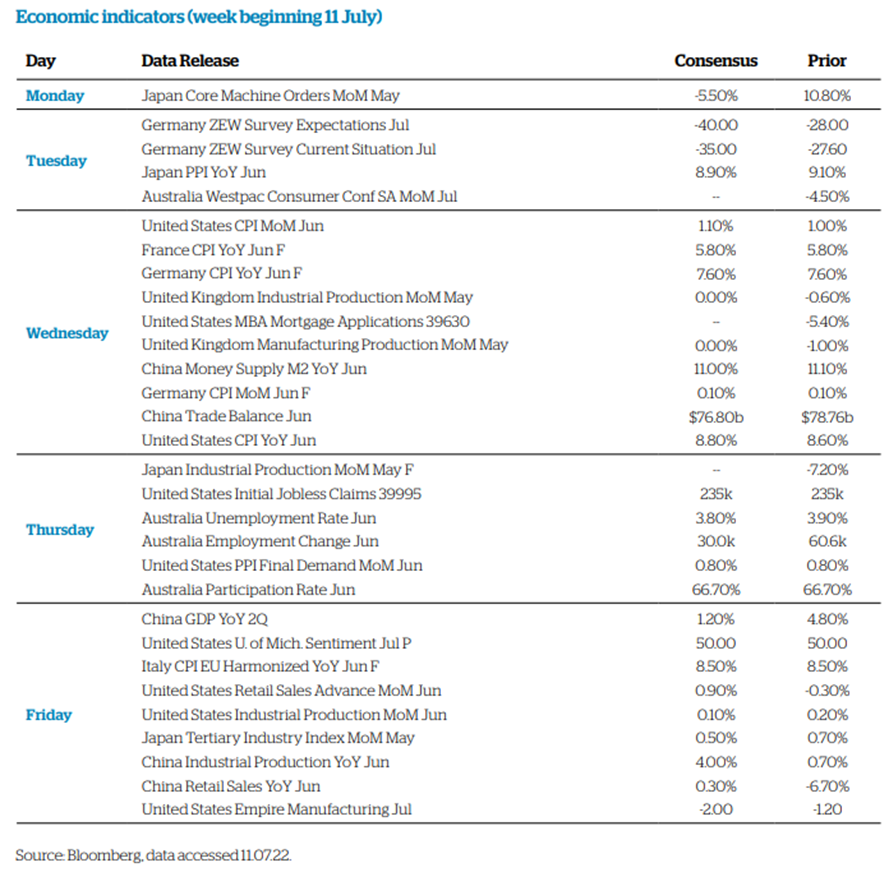
While European energy prices have seen sharp moves higher, the US’s energy security has kept US energy prices relatively subdued with US natural gas prices well off the peak set in early June. With US energy prices falling in June, this means this week’s US CPI print will be of particular interest. The first half of the month saw elevated prices whilst the latter part saw substantial declines. As it takes some time for these prices to feed into the consumer price basket, inflation is likely to remain elevated in June’s reading however the core CPI rate is expected to continue its decline on a year-onyear basis due to base effects.
US CPI to be in focus this week with June a month of two halves
Today sees the beginning of the scheduled closure of the Nord Stream 1 pipeline for maintenance with the key pipeline for continental European gas remaining closed until 21st July.
Geopolitical tensions between Russia and the EU remain fraught, there has therefore been some concern that the closure period may be extended by Russia in order to apply economic pressure on European capitals. The planned strikes in Norway would have also impacted gas exports however that has been averted, allowing energy prices to retreat slightly on Friday but remaining considerably higher for the week. The US enjoyed better economic data last week, allowing the US 2-year yield to rise by 27.2bps1, pricing in almost one additional Federal Reserve (Fed) rate hike. By contrast 2-year German bund yields were effectively unmoved as bond markets price in the energy supply fears and investors wagered that this would ensure the European Central Bank (ECB) retained a more cautious stance.
Differences in short dated yields are an important driver of currency returns and have been the dominant force in setting currency leadership this year. The growing gap between US and European 2-year yields led to further underperformance from the Euro versus the US dollar, meaning parity between the two currencies is now a near-term possibility.
Please check in again with us soon for further relevant news and market updates.
Chloe
12/07/2022